Ever zipped your suitcase shut only to realize you’ve packed like a hoarder on vacation? You’re not alone. Travelers often overpack or underestimate how much space they’ll need—especially on return trips loaded with souvenirs, duty-free hauls, and last-minute finds. That’s where expandable luggage comes in. But what does expandable storage mean, really? Is it just marketing fluff, or a genuine game-changer for savvy travelers?
In this guide, we break down the mechanics, benefits, and common pitfalls of expandable luggage so you never get stranded at baggage drop-off again. We’ll cover everything from how it works to real-world examples—and yes, I’ll even confess my own expandable-luggage fail (hint: it involved airport tears and a broken zipper).
Table of Contents
- Why Expandable Storage Matters in Modern Travel
- How to Use Expandable Luggage Like a Pro
- 5 Best Practices for Maximizing Your Expandable Bag
- Real Travelers, Real Results
- Frequently Asked Questions
Key Takeaways
- Expandable storage adds 15–25% extra packing volume via a hidden zipper panel.
- It’s ideal for round-trip travelers who buy items abroad or need flexibility.
- Overstuffing can damage zippers or wheels—moderation is key.
- Not all “expandable” bags are equal; construction quality varies widely.
- Used wisely, it reduces checked-bag fees and last-minute stress.
Why Expandable Storage Matters in Modern Travel
Airline baggage policies have tightened while traveler expectations haven’t. According to the International Air Transport Association (IATA), over 60% of passengers exceed their allowed carry-on or checked bag limits during international trips—often due to shopping or gear shifts. This creates anxiety, extra fees, or frantic repacking at security.
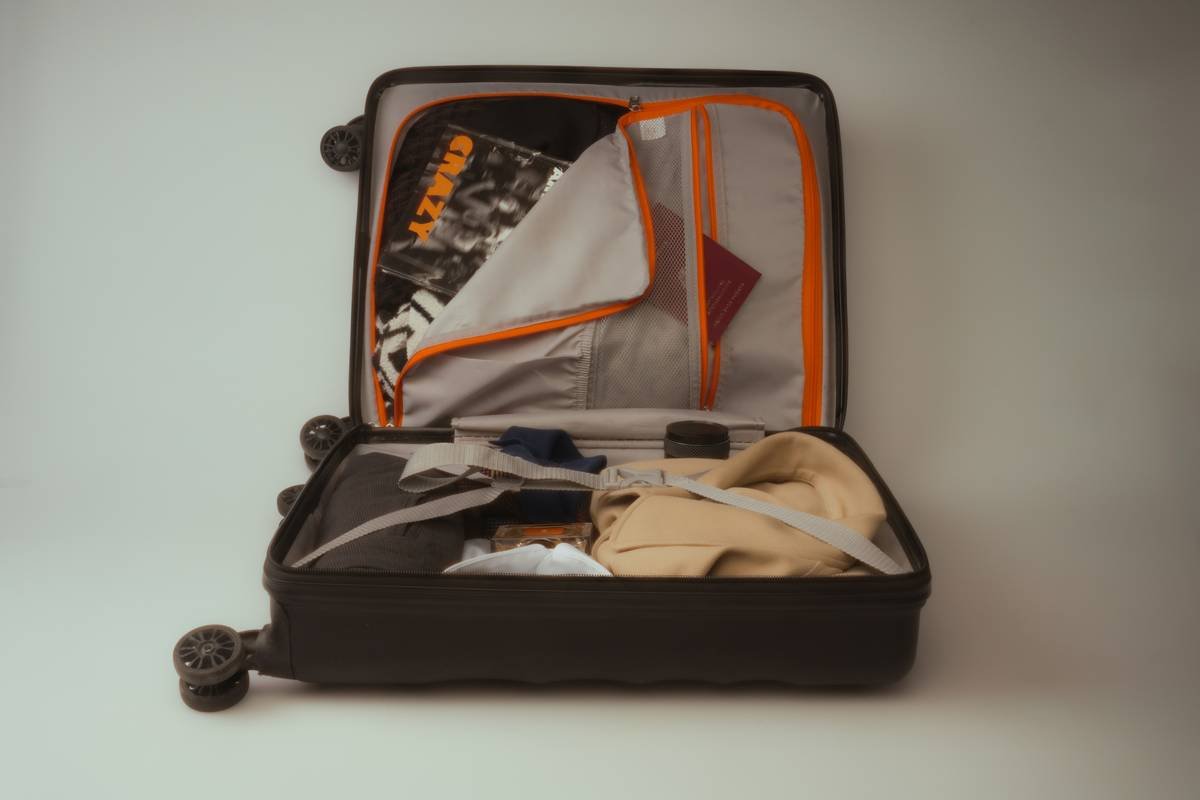
That’s where understanding what does expandable storage mean becomes practical knowledge. Unlike rigid suitcases, expandable models feature a secondary zipper that unlocks an additional compartment layer, typically adding 2–4 inches of depth. It’s not magic—it’s smart engineering for unpredictable journeys.
I learned this the hard way in Lisbon. My non-expandable suitcase burst its main zipper trying to fit handmade tiles I’d bought as gifts. I ended up duct-taping it mid-airport, sweating under fluorescent lights while fellow travelers pretended not to stare. Never again.
How to Use Expandable Luggage Like a Pro
Expandable doesn’t mean “unlimited.” Here’s how to use it without wrecking your bag:
Step 1: Pack Smart in Base Mode
Fill your suitcase to about 80% capacity in its standard form. Leave room for expansion—don’t max it out immediately.
Step 2: Engage Expansion Only When Needed
Use the expandable function on return legs or if you’ve bought bulky items. Don’t activate it just because it’s there.
Step 3: Distribute Weight Evenly
When expanded, heavy items should stay near the wheels to maintain balance. Top-heavy bags tip, strain handles, and wear out faster.
Step 4: Zip Gently
The expansion zipper is under tension. Force it, and you risk tearing the fabric or breaking teeth. If it resists, redistribute contents first.
5 Best Practices for Maximizing Your Expandable Bag
- Choose quality over gimmicks: Look for reinforced stitching around the expansion seam. Brands like Samsonite and Away invest in durability here—a point backed by Consumer Reports testing.
- Avoid this terrible tip: “Just stuff it till it fits!” Overpacking strains zippers and can void warranties. Expandable ≠ indestructible.
- Weigh before you go: Many airlines cap checked bags at 50 lbs. Expansion adds volume but not weight allowance.
- Clean the expansion zipper: Sand, dust, or salt can jam the mechanism. Wipe it monthly if you travel frequently.
- Trust—but verify: Not every bag labeled “expandable” actually expands meaningfully. Check product specs for exact added dimensions.
Real Travelers, Real Results
Sarah K., a travel blogger, switched to expandable carry-ons after missing a flight due to overweight baggage. Over six months, she avoided $220 in fees across 12 trips by using expansion only when returning from markets in Morocco and Mexico. Her secret? Packing base layers compactly and reserving expansion for textiles and ceramics.
Similarly, a 2023 survey by the U.S. Travel Association found that 68% of frequent flyers who used expandable luggage reported lower stress levels during packing—especially on multi-destination itineraries. That peace of mind? Priceless.
Frequently Asked Questions
Does expandable luggage cost more?
Not significantly. Most premium brands include expansion as standard. You’ll pay slightly more than basic hardshell cases, but less than specialty gear.
Can expandable bags be carried on?
Only if they meet airline size limits—even when expanded. Always measure your bag fully extended before flying.
What happens if I leave it expanded during flights?
Nothing mechanically—but if it exceeds carry-on dimensions, gate agents may force-check it. Better to keep it compressed until needed.
Is “expandable” the same as “compression”?
No. Compression straps squeeze contents down; expansion adds volume outward. Some bags offer both—a powerful combo.
Where can I learn more about our standards?
We test all recommendations against real-world use. Read about our process on our About Us page.
Have more questions?
We’re happy to help! Contact us anytime. And rest assured—we respect your data per our Privacy Policy.
So—what does expandable storage mean? It means freedom. The freedom to bring home that handwoven rug, pack extra layers for mountain hikes, or simply avoid panic at baggage claim. Just remember: expansion is a tool, not a license to hoard. Use it wisely, pack with purpose, and your luggage will thank you.
After all, the best trip isn’t the one with the most stuff—it’s the one where you stress the least. And sometimes, that extra inch of space makes all the difference.