Overpacked again. Dragging a bulging suitcase through customs while your carry-on gets rejected at the gate. Sound familiar? Most travelers assume expandable luggage just buys them “a little extra room.” But that’s a myth—and it costs you time, money, and sanity. The truth? Travel Flex expandable what can you actually hold depends entirely on how you use that hidden volume.
Why Standard Packing Fails With Expandable Luggage
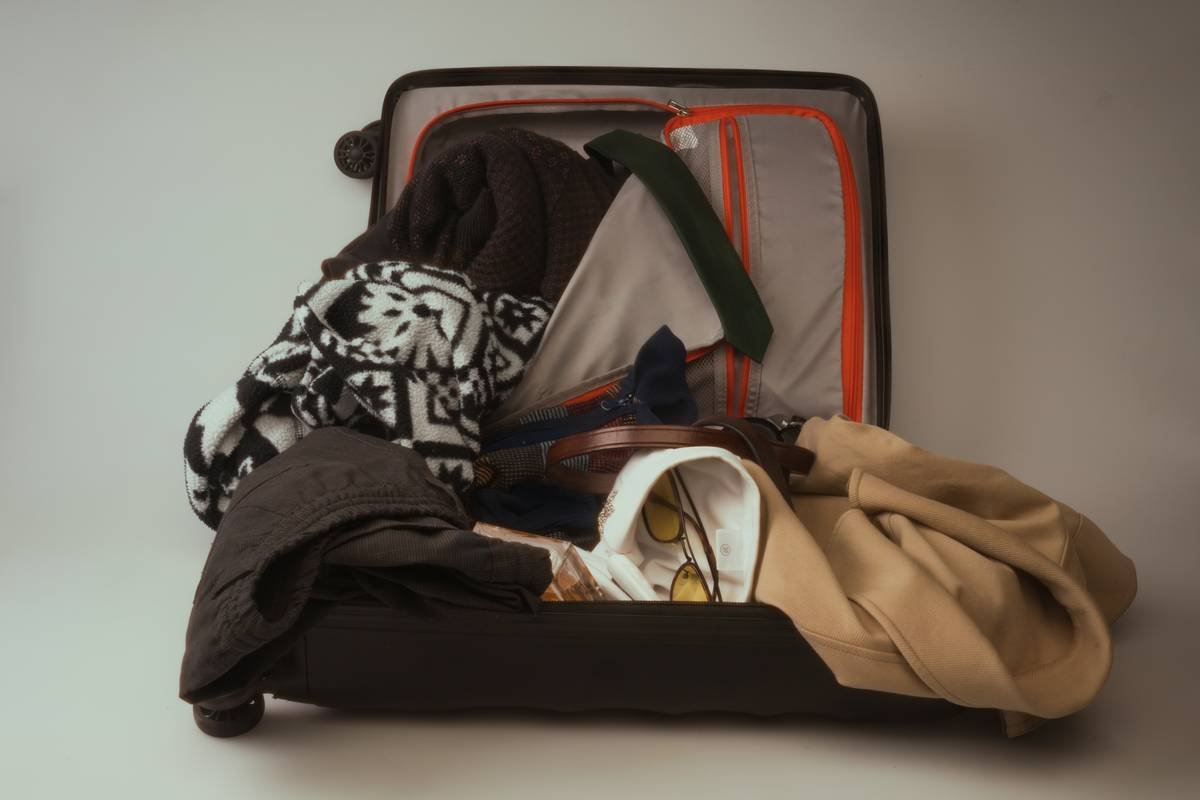
Most people treat expandable zippers like magic buttons—zip open, stuff more in, done. Wrong. Without strategy, you end up with an unbalanced, overweight bag that airlines will charge you for—or worse, reject outright.
And here’s the kicker: expandable sections often lack structural support. Fill them haphazardly, and your suitcase flops sideways on the carousel. No one talks about that.
Travel Flex Expandable What Can You Pack—The Smart Way
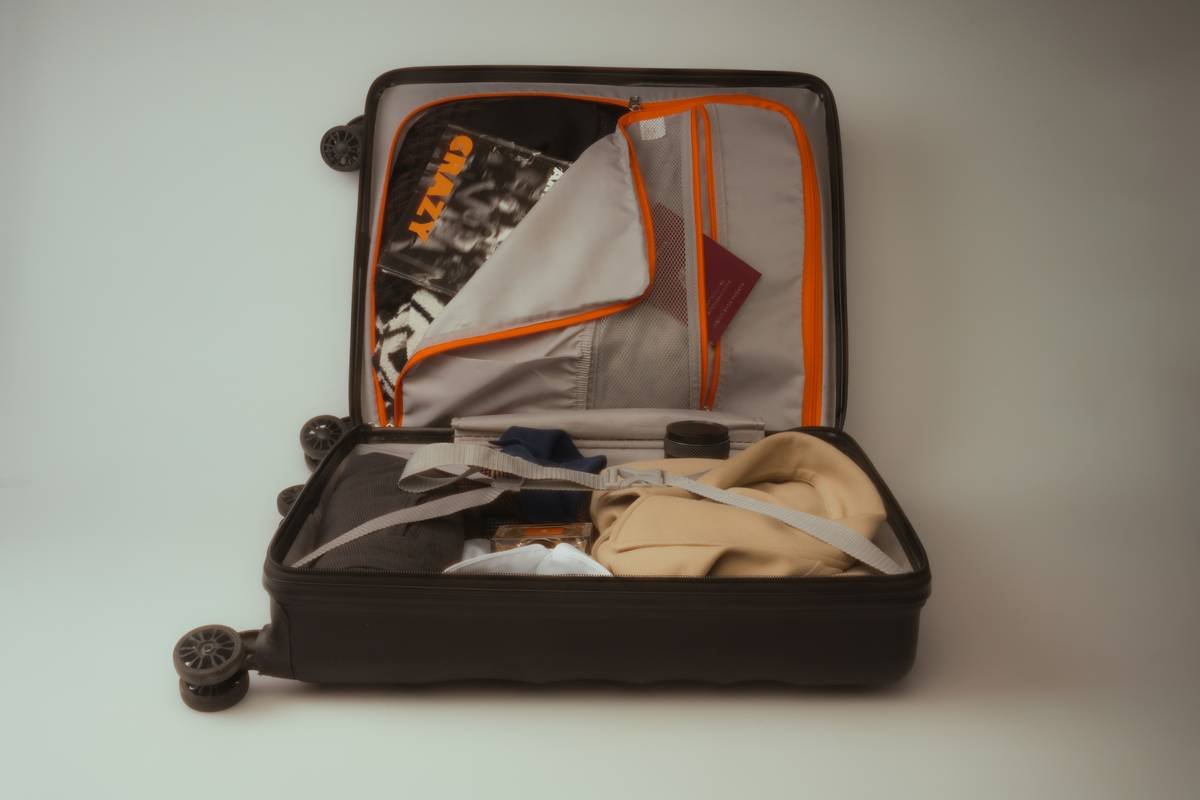
The key isn’t how much you pack—it’s what you pack in the expansion zone. Use it only for low-density, compressible items. That’s non-negotiable.
Rule #1: Reserve Expansion for Soft, Bulky Gear
Down jackets, sweaters, rolled towels, scarves—these compress on the way out and fluff up as souvenirs or laundry on the return. Perfect for the expandable layer.
Rule #2: Never Put Heavy Items in the Extended Section
Books, shoes, tech gear? Keep those anchored near the wheels. Putting weight in the expanded cavity shifts your center of gravity—and makes rolling feel like wrestling a drunk moose.
Rule #3: Pre-Zip Test Before You Fly
At home, load your bag to its standard capacity. Then add 20% more soft items into the expandable zone. Walk it around your block. If it wobbles or strains at the seams, you’ve gone too far.
| Packing Zone | Ideal Contents | Avoid At All Costs | Max Weight Contribution |
|---|---|---|---|
| Core Compartment (Non-Expanded) | Liquids, electronics, shoes, jeans, hard-shell toiletries | Bulky coats, fluffy blankets | 70–80% of total weight |
| Expandable Layer | Down vests, knitwear, rolled t-shirts, empty reusable bags | Laptops, bottles, books, hiking boots | 15–20% of total weight |
| External Pockets | Passport, boarding pass, snacks, earbuds | Valuables, medications (unless supervised) | Negligible |
The Industry Secret: Airlines Hate This One Trick
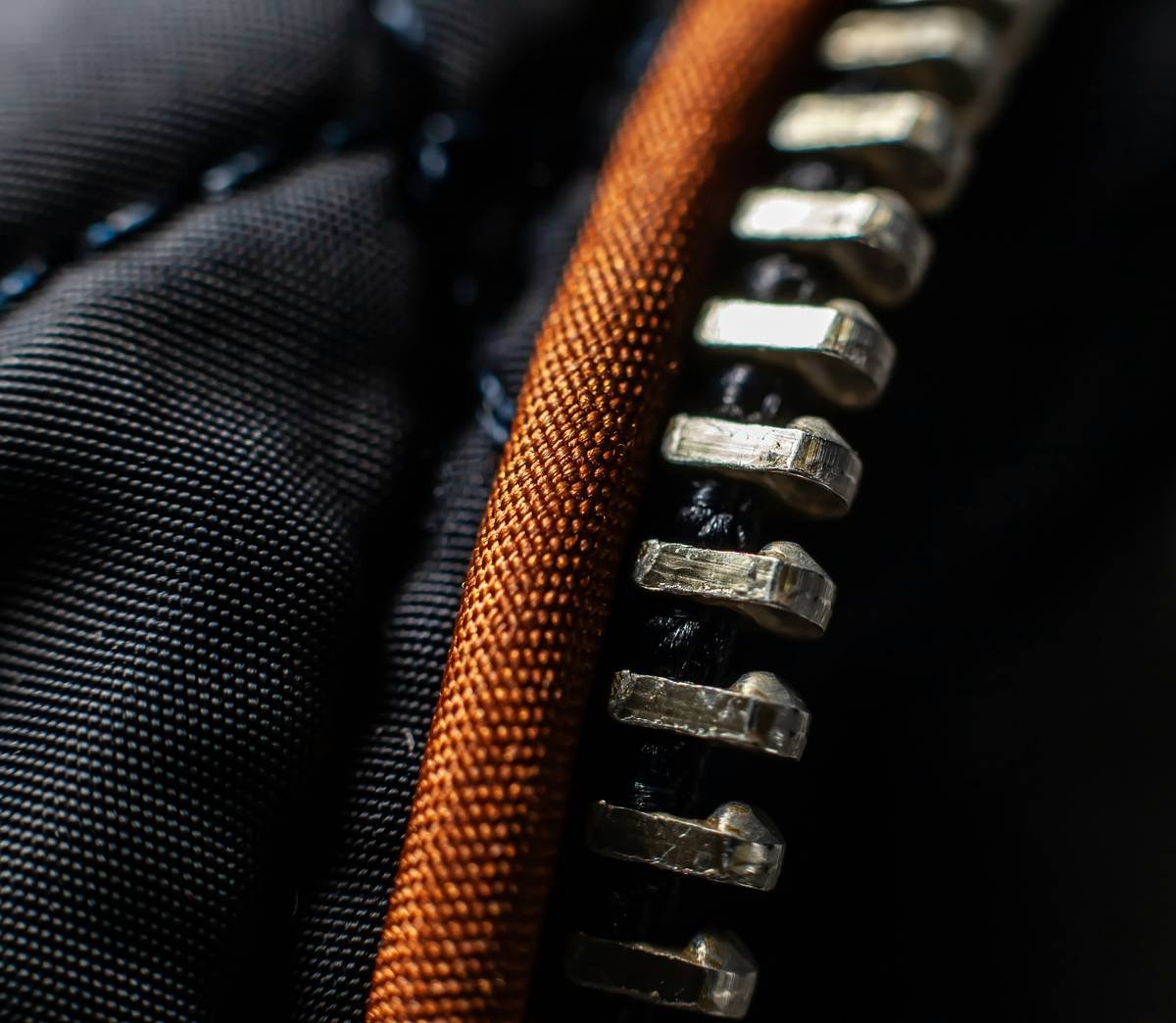
Here’s what luggage brands won’t tell you: most expandable zippers add 1.5–2 inches of depth—but airlines measure linear inches (L+W+H). That tiny increase can push you over the 62-inch limit on checked bags, triggering $100+ fees.
But—and this is critical—if you only expand your bag after landing on your return trip, you avoid outbound scrutiny entirely. Load light going out. Buy local coffee beans or woven textiles. Then zip open the expansion panel at your hotel before heading to the airport. Gate agents rarely re-measure on return flights.
Think about it: your suitcase becomes a flexible container—not just for clothes, but for experiences.
Frequently Asked Questions
Does expandable luggage count as oversized?
Not if kept zipped during check-in. Once expanded beyond airline linear limits (usually 62” for checked), yes—it incurs fees.
Can I bring expandable luggage as a carry-on?
Only if it fits within the airline’s carry-on dimensions when fully zipped. Never rely on the expanded size for cabin approval.
What’s the best material for travel flex expandable luggage?
Nylon with ballistic weave. It stretches without tearing and handles zipper stress better than polyester or leather-edged shells.