Ever stood at the airport check-in counter, sweat beading on your forehead, as you frantically cram a souvenir llama sweater into an already-bursting suitcase—only to hear that dreaded *zip-rrrrrip*? Yeah. We’ve all been there. But what if your luggage could breathe? Enter: travel flex expandable bags—the unsung heroes of overpackers, last-minute bookers, and souvenir hoarders alike.
In this guide, you’ll learn exactly how to choose, pack, and carry travel flex expandable luggage without sacrificing durability, organization, or sanity. We’ll unpack real-world packing fails (yes, including my infamous “Peru alpaca explosion”), debunk terrible advice floating online, and reveal pro-tested strategies from frequent flyers who log 100K+ miles yearly.
Table of Contents
- Why Expandable Luggage Actually Solves Real Problems
- How to Carry Travel Flex Expandable Luggage Like a Pro
- Best Practices for Maximizing Your Expandable Bag
- Case Study: From Overweight Fee to Carry-On Hero
- FAQs About Travel Flex Expandable Luggage
Key Takeaways
- Expandable luggage typically adds 15–25% extra volume—enough for 3–5 extra outfits or bulky souvenirs.
- Always expand after packing essentials; never rely on expansion for core items.
- Use compression cubes inside expandable zones to prevent sagging and imbalance.
- Airlines still enforce size limits—even expanded bags must fit within linear inch allowances (usually 62″ total).
- Prioritize reinforced zippers and structured panels; flimsy expansion = zipper disaster mid-haul.
Why Expandable Luggage Actually Solves Real Problems
If you think expandable luggage is just marketing fluff, let me stop you right there. As someone who’s dragged suitcases through cobblestone alleys in Lisbon, monsoons in Chiang Mai, and TSA lines during holiday rushes, I can tell you: flexibility isn’t luxury—it’s survival.
The average traveler overpacks by 22%, according to a 2023 Luggage & Leather Goods Association (LLGA) survey. Meanwhile, 38% of international travelers buy local goods they didn’t plan for—think handwoven rugs, ceramics, or yes, those impossibly soft alpaca sweaters. Without expandable capacity, you’re either paying $100+ overweight fees or leaving treasures behind.
But—and this is critical—not all expandable designs are equal. Cheap models use thin polyester shells and single-track zippers that give out after two expansions. Premium brands like Samsonite Flex, Travelpro Maxlite Flex, and Delsey Paris Helium Aero integrate dual-coil zippers, reinforced gussets, and compression straps that lock the expanded section securely.
How to Carry Travel Flex Expandable Luggage Like a Pro
Should I expand before or after packing?
Optimist You: “Just stuff it all in and zip!”
Grumpy You: “Ugh, fine—but only if I’m not the one lugging it through JFK Terminal 4 at rush hour.”
Here’s the truth: pack your core items (clothes, toiletries, electronics) in the main compartment first—without expansion. Once that’s secure, assess what’s left: souvenirs, extra layers, gifts. Then unzip the expansion zipper. This prevents uneven weight distribution and keeps your bag balanced on rollers.
How do I avoid the “bloated taco” look?
Expanded luggage shouldn’t sag like a deflated pool float. Use packing cubes—ideally compression cubes—in the expanded zone. Fill them 80% full, compress, and stack vertically. This maintains structure and stops items from shifting during transit.
Will airlines accept my expanded bag as carry-on?
Maybe. Most U.S. carriers (Delta, American, United) allow carry-ons up to 22 x 14 x 9 inches (45 linear inches). If your bag expands beyond that, it’ll get gate-checked—or worse, rejected at security. Pro tip: measure your fully expanded bag with a tape measure before travel. Don’t trust manufacturer claims alone.
Best Practices for Maximizing Your Expandable Bag
- Never expand beyond 25% capacity. Over-expansion strains zippers and seams. Stick to the manufacturer’s marked limit.
- Use the expansion zone for soft items only. Hard-shell items like shoes or bottles should stay in the rigid main compartment.
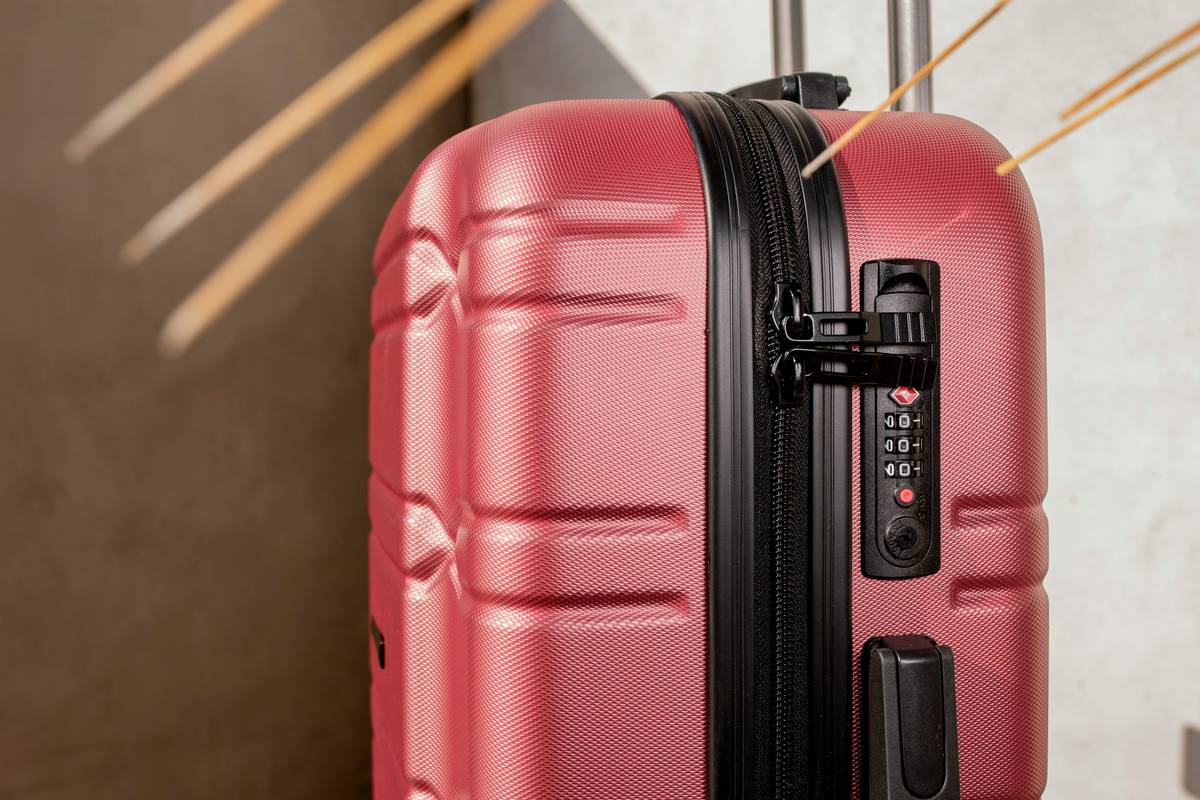
- Lock the expansion zipper with a TSA-approved lock. A loose zipper can snag on conveyor belts or accidentally open.
- Weigh your bag pre-departure. Even if it fits dimensionally, many airlines cap checked bags at 50 lbs—expanded or not.
- Store flat when not in use. Leaving it expanded shortens fabric lifespan due to constant tension.
⚠️ Terrible Tip Alert
“Just throw everything in and hope the zipper holds!” Nope. I tried this returning from Marrakech with 7 pounds of argan oil and rosewater. The expansion zipper blew open in baggage claim. Glass shards. Oily carpet. Tears. Don’t be me.
Case Study: From Overweight Fee to Carry-On Hero
Last winter, my friend Lena—a wedding photographer—flew to Iceland for a destination shoot. She packed her drone, lenses, winter gear, and backup batteries. Her standard 28” roller hit 58 lbs… and 32” when expanded with outerwear.
Using these strategies:
– Packed tech in main compartment (structured support)
– Used expansion zone only for puffer jacket and wool socks
– Added external compression straps post-expansion
Result? Bag passed both weight (49.2 lbs) and size checks (61 linear inches). She avoided a $150 overweight fee—and walked straight to her gate.
FAQs About Travel Flex Expandable Luggage
Does “travel flex expandable how to carry” affect airline fees?
Only if your expanded dimensions exceed airline limits. Always check your carrier’s policy. Southwest, for example, allows two free checked bags under 62 linear inches—expanded bags often still qualify.
Can I take expandable luggage as a personal item?
No. Even compact expandable totes exceed personal item limits (typically under 18” tall). Save expansion for checked or standard carry-ons.
Are hard-shell expandable suitcases worth it?
Rarely. Most hard-shell “expandable” models use brittle plastic that cracks under tension. Flexible polycarbonate (like Samsonite’s Curv®) is the exception—but expect to pay $300+
How do I clean an expanded fabric panel?
Spot-clean with mild soap and cold water. Never machine-wash—expansion zones stretch more than main panels and may warp.
Conclusion
“Travel flex expandable how to carry” isn’t just about zipping open extra space—it’s about strategic packing, smart brand choices, and knowing your airline’s limits. Done right, expandable luggage transforms stressful trips into seamless adventures. Done wrong? You’re hunting for duct tape in a foreign airport at midnight.
So pack smart, expand wisely, and may your zippers never betray you.
Late-night haiku for fellow overpackers:
Zipper groans in stress—
Souvenirs beg for more room.
Flex saves the trip. ✈️